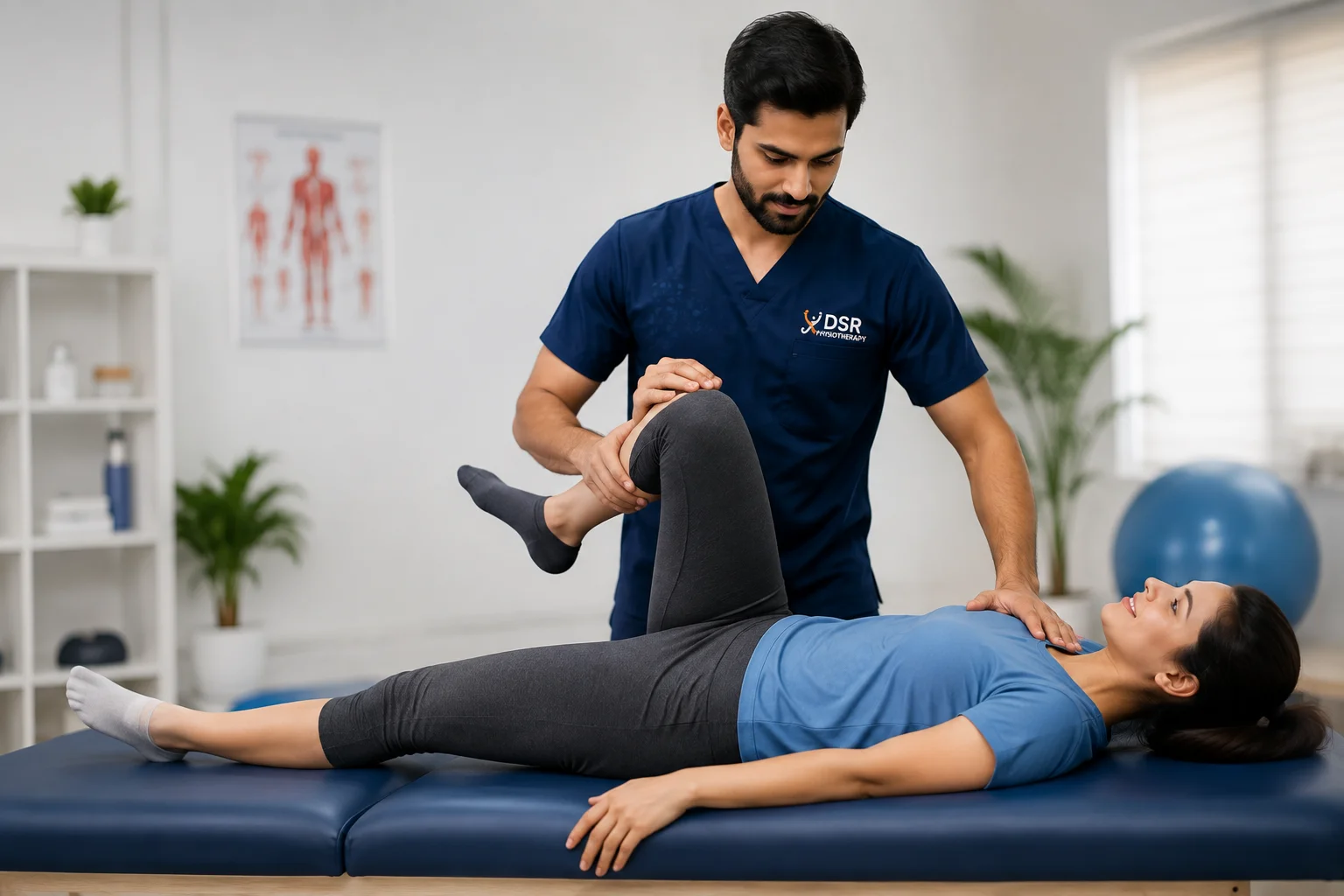
Returning to sports after an injury takes more than pain relief. Athletes need to rebuild strength, mobility, balance, and confidence before resuming intense activity. Returning too soon can place extra stress on the injured area.
Sports injury rehabilitation helps restore movement and prepare the body for the demands of a specific sport. The recovery process depends on the type of injury, its severity, and the athlete’s progress. A physiotherapist can assess these factors and guide a safe return to training.
Why Is Sports Injury Rehabilitation Important?
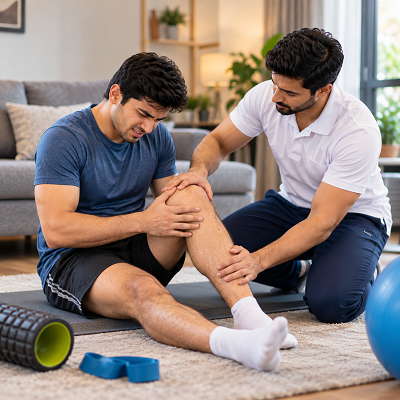
An injury can affect muscle strength, joint movement, coordination, and balance. These changes may continue even after the pain improves. Athletes may also develop movement habits that place extra stress on other body parts.
Rehabilitation addresses these problems through a planned recovery programme. It starts with basic movements and progresses towards more demanding activities. The goal is to restore function and prepare the athlete for the physical demands of their sport.
Professional guidance is especially useful after ligament injuries, muscle tears, ankle sprains, and knee injuries. Athletes recovering from these conditions can consult a physiotherapist for sports injury in Ghaziabad for an assessment and an appropriate rehabilitation plan.
Step 1: Get the Injury Assessed
Start with a proper assessment before resuming sports. Do not judge recovery by pain levels alone. Some injuries need medical examination, imaging, or a specific rehabilitation protocol.
A healthcare professional will consider the injury mechanism, pain, swelling, joint movement, muscle strength, and functional limitations. They may also check whether the injury requires further investigation or specialist care.
Seek prompt medical attention for severe pain, major swelling, visible deformity, an inability to bear weight, or suspected fracture. A locked joint or a sudden loss of function also needs assessment.
Step 2: Manage Pain and Swelling
Pain and swelling can limit movement after a sports injury. Early treatment aims to protect the injured tissue and prevent unnecessary strain. The right approach depends on the injury and its severity.
Follow your clinician’s advice on activity modification, support, and suitable pain management. Avoid exercises that increase pain or swelling. Do not use pain relief as a way to push through a demanding training session.
As symptoms settle, begin appropriate movements under professional guidance. Progress should depend on the body’s response rather than a fixed number of days.
Step 3: Restore Joint Mobility and Flexibility
Injuries can reduce the range of motion in a joint. Stiffness may affect walking, running, jumping, and other sports movements. Restoring mobility helps prepare the body for strengthening exercises.
Your rehabilitation plan may include gentle range-of-motion exercises and controlled stretching. The exercises should match the affected body part and stage of healing.
Do not force a joint through sharp pain. Avoid aggressive stretching when the injury is still healing. A physiotherapist can adjust the exercises according to your movement and symptoms.
Step 4: Rebuild Muscle Strength
Reduced activity can lead to muscle weakness. An athlete may also lose strength around the injured joint. This can make everyday movements and sports activities more demanding.
Strength training usually begins with controlled exercises. The programme may then progress to resistance exercises, single-leg movements, or more challenging tasks. The choice depends on the injury and the athlete’s ability.
Both sides of the body should be assessed when relevant. However, equal strength alone does not confirm full recovery. The athlete must also show good movement control and tolerate sport-specific demands.
Step 5: Improve Balance and Coordination
Balance and coordination help athletes control their bodies during movement. They are important when landing, changing direction, or moving on uneven surfaces.
Rehabilitation may include single-leg balance, controlled stepping, and movement drills. Later stages can introduce quicker movements and more complex tasks.
Exercises should progress gradually. Athletes should first demonstrate control during simpler tasks before attempting demanding drills. Poor balance, instability, or repeated giving-way sensations should be assessed before returning to sport.
Step 6: Add Sport-Specific Training
Each sport places different demands on the body. A runner needs to tolerate repeated strides. A football player must accelerate, decelerate, kick, and change direction. A basketball player needs jumping, landing, and rapid movement control.
Begin with low-intensity drills that match your sport. Increase speed, duration, and complexity as your body tolerates each stage. Training can progress from straight-line movement to controlled changes of direction and more demanding sport-specific activities.
Do not move directly from basic rehabilitation to full competition. The injured area must tolerate the demands of training without a concerning increase in pain or swelling.
Step 7: Check Functional Readiness
Before returning to sports, assess whether you can perform the movements your sport requires. The tests depend on the injury and the level of activity you plan to resume.
A clinician may assess walking, running, jumping, hopping, landing, agility, or changes of direction. Strength and movement quality may also be measured. Some athletes need additional tests based on their injury and sport.
Pay attention to control, confidence, and symptom response during these tasks. Pain, instability, poor landing mechanics, or difficulty completing movements may indicate that further rehabilitation is needed.
Step 8: Prepare Mentally for Your Return
Physical recovery is only one part of returning to sport. Some athletes feel anxious about repeating the injury. Others may hesitate during jumping, tackling, sprinting, or sudden changes of direction.
Build confidence through gradual exposure to sport-specific movements. Start with controlled drills and progress towards realistic training situations. Discuss persistent fear or hesitation with your physiotherapist or healthcare professional.
Confidence should develop alongside physical readiness. Feeling ready does not replace the need for appropriate strength, movement, and functional assessments.
How to Return to Sports Gradually?
A phased return helps athletes rebuild training tolerance. The exact sequence depends on the injury and the demands of the sport.
- Stage 1: Daily activities. Regain comfortable movement during routine tasks, as advised by your clinician.
- Stage 2: Basic exercise. Complete suitable mobility, strength, and balance exercises.
- Stage 3: Individual sports drills. Introduce controlled running, jumping, kicking, or other relevant movements.
- Stage 4: Modified training. Resume selected drills with suitable limits on intensity and duration.
- Stage 5: Full training and competition. Progress only after meeting the relevant rehabilitation and return-to-sport criteria.
Monitor symptoms during activity and afterwards. Increased pain, swelling, stiffness, or reduced function may mean the training load needs adjustment. Follow your clinician’s advice before progressing to the next stage.
When Should You Delay Your Return?
Do not rush back into sport if the injured area remains painful or swollen. Other warning signs include limited movement, weakness, poor balance, and a feeling that the joint may give way.
You should also delay intense activity if you cannot complete sport-specific movements with suitable control. Repeated symptoms after training need attention. Seek reassessment if recovery stops progressing or your symptoms worsen.
There is no single recovery timeline for every athlete. A mild muscle injury and a major ligament injury may require very different rehabilitation plans. Follow injury-specific advice instead of comparing your recovery with another athlete’s experience.
How Physiotherapy Supports Sports Injury Recovery?
Physiotherapy can help athletes restore movement, improve strength, and rebuild functional ability after an injury. A physiotherapist assesses current limitations and selects exercises based on the athlete’s needs.
The programme may include mobility work, progressive strengthening, balance training, movement retraining, and sport-specific drills. Regular reassessment helps guide progression and identify areas that still need attention.
A suitable home exercise programme can also support recovery between appointments. Athletes should follow the recommended frequency and technique. If an exercise causes unexpected pain or swelling, stop and seek advice.
Recovery needs may differ for people who cannot easily travel to a clinic. Where appropriate, home physiotherapy in Ghaziabad may offer a practical option for supervised rehabilitation. The suitability of home treatment depends on the injury, assessment findings, and treatment needs.
Frequently Asked Questions
How do I know when I can return to sports after an injury?
Return when you meet the relevant clinical and functional criteria for your injury. These may include adequate strength, mobility, balance, movement control, and the ability to complete sport-specific drills. A healthcare professional can help assess your readiness.
Can I play sports if the pain has stopped?
Not always. Pain relief does not confirm that strength, stability, and movement control have fully recovered. You may need further rehabilitation before returning to intense activity.
Should I exercise during sports injury recovery?
Suitable exercise can support rehabilitation, but the type and intensity matter. Follow a programme designed for your injury. Avoid movements that worsen symptoms or conflict with medical advice.
How long does sports injury rehabilitation take?
Recovery time varies according to the injury, its severity, treatment needs, and individual progress. Some injuries recover relatively quickly, while others need several months of rehabilitation. Your clinician can provide guidance based on your assessment.
Can physiotherapy help prevent another sports injury?
Physiotherapy can address strength deficits, mobility restrictions, balance, and movement control. These factors may influence how an athlete performs during sports. Injury prevention also depends on training load, technique, recovery, and the demands of the sport.
Take the Next Step Towards a Safe Return
Returning to sports requires a gradual and well-planned approach. Athletes should restore mobility, rebuild strength, improve coordination, and demonstrate readiness for sport-specific movements. Pain relief alone is not enough to confirm recovery.
Do not ignore persistent symptoms or rush through rehabilitation stages. Follow professional guidance and increase training demands as your function improves.
For support with sports injury rehabilitation, contact DSR Prime Physiocare’s sports injury physiotherapy service in Ghaziabad to discuss your assessment and treatment needs.