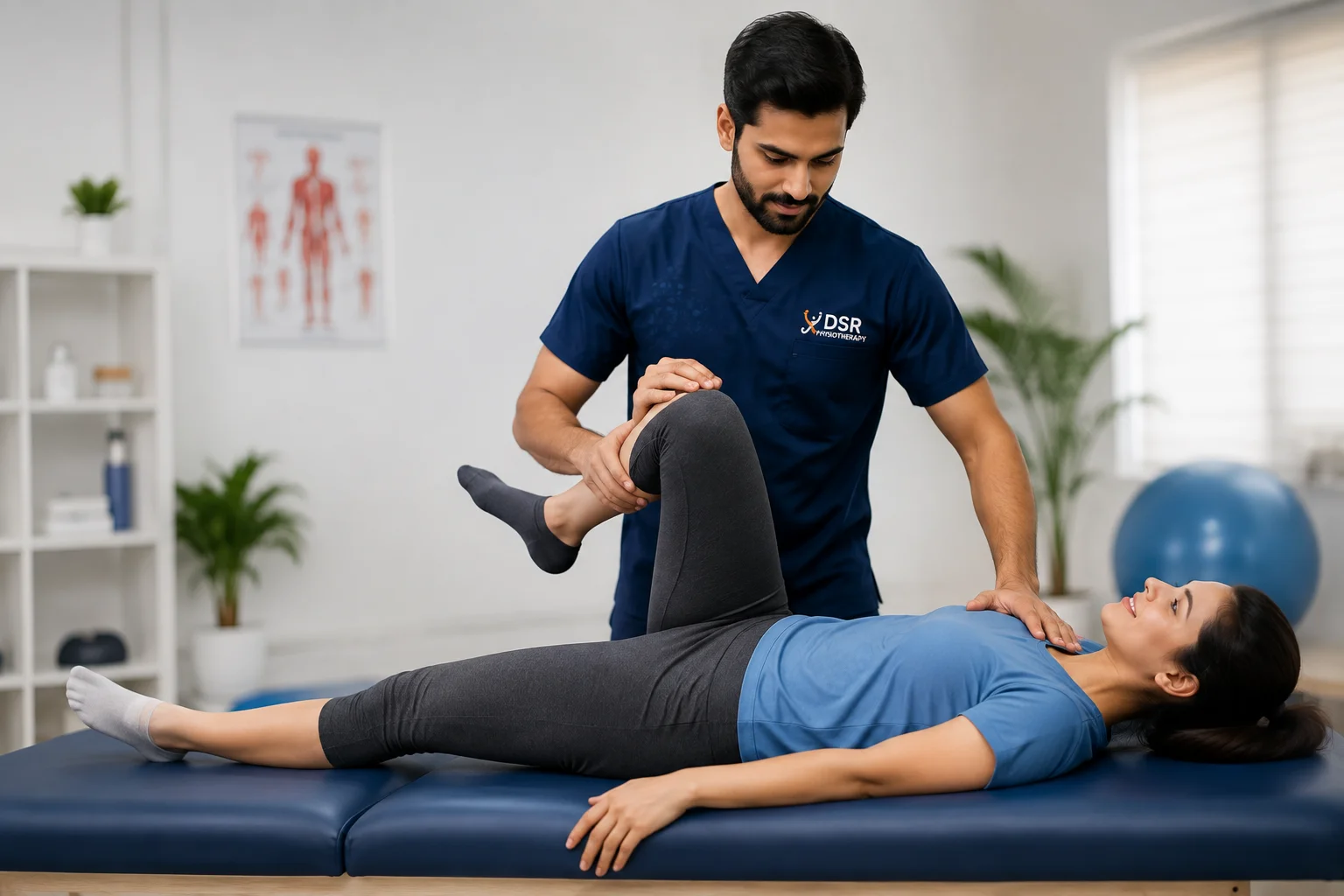
Sports injuries can affect beginners, regular gym users, and experienced athletes. They may happen during running, jumping, lifting weights, or changing direction quickly. Some injuries occur suddenly. Others develop over time due to repeated stress on muscles, tendons, and joints.
Physiotherapy can help manage many sports injuries through assessment, therapeutic exercises, strength training, and functional rehabilitation. The right approach depends on the type of injury, its severity, and the person’s physical needs. People dealing with a sports injury can learn about sports injury physiotherapy in Ghaziabad to understand the available home visit service and confirm area availability.
What Are Sports Injuries?
A sports injury affects the muscles, bones, joints, ligaments, or tendons involved in physical activity. It may result from a sudden movement, direct impact, poor load management, or repeated stress. Symptoms can include pain, swelling, stiffness, weakness, and difficulty moving the affected area.
Sports injuries vary in severity. Some improve with appropriate activity modification and rehabilitation. Others need medical assessment, imaging, or specialist treatment. Therefore, an accurate assessment is important before starting an exercise programme.
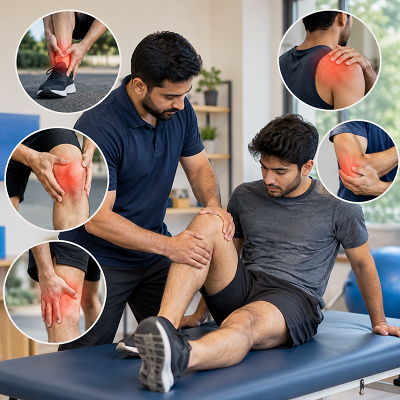
Common Sports Injuries and Their Symptoms
1. Ankle Sprains
An ankle sprain occurs when the foot twists or rolls in a way that stretches or damages the supporting ligaments. It can happen during running, jumping, landing, or playing sports that involve quick changes of direction.
Common symptoms include pain, swelling, bruising, and difficulty walking. More severe injuries may cause considerable instability or difficulty bearing weight.
Physiotherapy may help restore ankle movement, strength, balance, and control. Exercises can progress from gentle movements to standing balance activities and sport-specific drills. The programme should match the injury’s severity and the person’s recovery.
2. Muscle Strains
A muscle strain occurs when muscle fibers are overstretched or damaged. It may affect the hamstrings, quadriceps, calf muscles, or other muscle groups. Sprinting, sudden acceleration, lifting, and forceful movements can contribute to these injuries.
Symptoms may include localized pain, tenderness, weakness, and difficulty using the affected muscle. Severe strains can cause significant movement limitations.
Rehabilitation may include gradual movement, progressive strengthening, and controlled loading. The physiotherapist adjusts exercise intensity according to symptoms and functional ability. Returning to intense activity too early can aggravate the injury.
3. Knee Injuries
Knee injuries are common in activities that involve running, jumping, landing, or sudden turns. They can affect ligaments, tendons, cartilage, or nearby muscles. Anterior crucial ligament (ACL) injuries and meniscus injuries are examples that may require specific assessment.
Pain, swelling, stiffness, instability, and difficulty bending the knee can occur. A knee that locks, gives way, or becomes significantly swollen needs medical assessment.
Physiotherapy may focus on restoring knee movement, improving muscle strength, and developing balance and movement control. Following surgery, rehabilitation must follow the relevant clinical protocol. Return to sport should depend on suitable functional criteria and medical advice where required.
4. Shoulder Injuries
Shoulder problems can affect swimmers, tennis players, cricketers, and people who lift weights. Repeated overhead movements may irritate shoulder tendons or place stress on surrounding structures. A sudden fall or direct impact can also cause an injury.
Symptoms may include pain while lifting the arm, reduced movement, weakness, or discomfort during sports activities. Severe pain or sudden loss of shoulder function requires prompt assessment.
Depending on the diagnosis, physiotherapy may include mobility exercises, progressive strengthening, and movement training. The programme should consider the person’s sport, training routine, and current limitations.
5. Tendon and Overuse Injuries
Overuse injuries develop when repeated physical stress exceeds the body’s ability to adapt. They may affect the elbow, knee, heel, or other areas. Examples include tennis elbow and some forms of Achilles tendon pain.
Pain may increase during activity or after training. Some people also notice stiffness after periods of rest. Symptoms and their causes can vary, so an assessment helps guide appropriate management.
Rehabilitation may involve adjusting training loads, strengthening the affected area, and gradually rebuilding activity tolerance. Rest alone may not address every underlying factor. Changes to training volume, technique, equipment, or recovery habits may also be relevant.
How Physiotherapy Helps Sports Injury Recovery
Physiotherapy aims to address the movement and functional problems associated with an injury. Treatment is based on assessment findings rather than a fixed routine for every person.
Initial Assessment
The physiotherapist reviews the injury history, symptoms, activity levels, and relevant medical information. They may assess joint movement, muscle strength, balance, and functional tasks when appropriate. These findings help identify limitations and guide rehabilitation goals.
Mobility and Movement Exercises
Some injuries restrict joint movement or make normal activities uncomfortable. Suitable mobility exercises can help restore movement as recovery progresses. The exercises should remain appropriate for the injury and should not force painful or restricted movements.
Strength and Progressive Loading
Injuries can reduce muscle strength and tolerance for physical activity. A rehabilitation programme may use resistance exercises and controlled loading to rebuild these abilities. The physiotherapist can adjust the intensity as movement quality and exercise tolerance change.
Balance and Coordination Training
Balance and coordination matter in sports that involve landing, turning, and moving quickly. These skills may need attention after ankle, knee, or other lower-limb injuries. Exercises can progress from basic control tasks to more demanding movements when appropriate.
Functional and Sport-Specific Rehabilitation
Every sport places different demands on the body. A runner may need to rebuild running tolerance. A badminton player may need controlled side-to-side movements. A football player may need to regain acceleration, deceleration, and direction changes.
Sport-specific exercises should be introduced gradually. Pain reduction alone does not always mean the person is ready to return to full training or competition.
What Should You Do After a Sports Injury?
Stop or modify the activity that caused the symptoms. Avoid movements that increase pain or place further stress on the injured area. Protecting the area and using suitable first-aid measures may help while you arrange an assessment.
Do not assume that every injury can be managed with home exercises. Seek urgent medical attention for a visible deformity, suspected fracture, severe or rapidly increasing swelling, or an inability to bear weight after an injury. A joint that appears dislocated also needs urgent medical care. Numbness, unusual color changes, or a cold limb are further warning signs.
Once serious injury has been ruled out, a suitable rehabilitation plan can help guide the gradual return to movement. Follow advice from your healthcare professional, particularly after surgery or a significant ligament injury.
How to Reduce the Risk of Sports Injuries
Not every sports injury can be prevented. However, sensible training habits may help reduce avoidable risks.
- Warm up before activity: Prepare for the movements and intensity required by your sport.
- Increase training gradually: Avoid sudden increases in training duration, intensity, or frequency.
- Build strength: Include suitable strengthening exercises for the muscles used in your sport.
- Use appropriate equipment: Choose footwear and protective equipment suited to the activity.
- Allow time for recovery: Adjust training when fatigue or symptoms affect movement quality.
- Address recurring symptoms: Get repeated pain or injuries assessed instead of continually training through them.
Technique, playing conditions, previous injuries, and training demands can also influence injury risk. Advice should reflect the person’s activity and physical condition.
When Should You See a Physiotherapist?
Consider professional assessment when pain, stiffness, weakness, or restricted movement affects daily activities or sports participation. Assessment is also useful when symptoms keep returning or when progress stalls after an injury.
A physiotherapist can assess relevant movement limitations and recommend suitable rehabilitation when appropriate. Some conditions need a doctor’s assessment first or require care from another specialist. Seek urgent medical care if symptoms suggest a serious injury.
For people who need treatment at home, home physiotherapy in Ghaziabad may be an option, subject to service availability in the patient’s area. Confirm the service details and suitability for the injury before arranging an appointment.
Frequently Asked Questions
Can physiotherapy help with sports injuries?
Physiotherapy can help manage many sports injuries by addressing movement restrictions, weakness, balance problems, and reduced activity tolerance. The appropriate treatment depends on the diagnosis and injury severity.
How long does recovery from a sports injury take?
Recovery time varies with the type of injury, its severity, treatment needs, and individual progress. A physiotherapist or other relevant healthcare professional can provide a more informed estimate after assessment.
Can I return to sports once the pain stops?
Not always. Pain reduction is only one part of recovery. Strength, movement control, balance, and sport-specific function may also need assessment before returning to unrestricted activity.
Should I exercise when a sports injury hurts?
The answer depends on the injury and the type of exercise. Avoid activities that aggravate symptoms, and seek professional guidance if you are unsure which movements are appropriate. Severe or worsening symptoms need medical assessment.
Conclusion
Sports injuries can affect movement, strength, and confidence during physical activity. Physiotherapy may support recovery through individual assessment, progressive exercise, balance training, and functional rehabilitation. The treatment plan should reflect the injury and the person’s goals.
Early assessment is important when symptoms are severe, movement is significantly restricted, or an injury keeps recurring. A gradual return to sports can help ensure that recovery considers strength and function, not pain alone.
Get Support for Sports Injury Recovery
Recovering from a sports injury takes time, proper guidance, and a gradual return to activity. A physiotherapist can help assess your movement, identify areas that need attention, and plan rehabilitation based on your condition and recovery goals.
DSR Prime Physio-care provides physiotherapy support through home visits in selected areas of Noida, Ghaziabad, and Delhi NCR, subject to availability.